
Local SEO Case Study – From Zero to Top 3 in 45 Days
Can a focused sprint really push a small business from near invisibility to a top three placement in just 45 days?
I set out to prove that in India’s crowded markets. I framed success around what matters most: Map Pack presence, qualified visits, and measurable results.
My method was simple and fast. I ran a tight audit, fixed technical blockers, sharpened local signals, added city-modified content, and built authority with targeted links.
Research backed the plan: Map Pack listings can capture about 44% of clicks and higher pack positions tend to lift organic rankings. Nearly half of searches have local intent and most “near me” searchers visit a business within a day.
In one furniture example, city-focused pages plus link building drove a jump from 8 to 1,500 monthly visitors and top rankings for product queries. I tracked impressions, calls, and routes requested to tie each lift to a specific action.
Starting Point: My Local Visibility Was Near Zero in a Competitive Market
My starting line was blunt: no Map Pack presence and barely any meaningful traffic. The website had the basics, but core service pages saw almost no impressions for service + city queries.
Competition in my Indian city cluster was fierce. Established businesses owned “near me” and city‑modified searches, so gaining visibility meant direct confrontations with stronger brands.
The baseline: no Map Pack presence and minimal organic traffic
My Google Business Profile had gaps, local content was thin, and authority signals for location pages were weak. I logged current positions, impressions, clicks, and GBP engagement to create a clear baseline.
The goal: top 3 rankings for high-intent local keywords in India
I aimed for top three placement for primary service + city keywords in both the Map Pack and organic results within 45 days. This would drive calls and direction requests fast.
- I mapped target cities and prioritized neighborhoods with clear demand.
- I focused on discoverability blockers first to unlock faster gains.
| Metric | Baseline | Target (45 days) |
|---|---|---|
| Map Pack Position | Not visible | Top 3 |
| Impressions / Clicks | Low | Marked increase |
| GBP Actions | Minimal | More calls & directions |
Audit First: What I Fixed Before Pushing Rankings
I started by fixing the basics that most teams skip, because small errors kill momentum. My audit focused on technical, content, and profile signals so later work actually moved the needle.

Technical clean-up
I scanned the website for indexing errors, duplicate content, and slow pages. I fixed sitemaps and canonical tags, compressed images, and improved Core Web Vitals.
Easy-win keywords
I pulled a set of keywords where I ranked between positions 4 and 30. Minor on-page tweaks, better internal links, and refreshed meta data unlocked quick gains.
Google Business Profile and NAP consistency
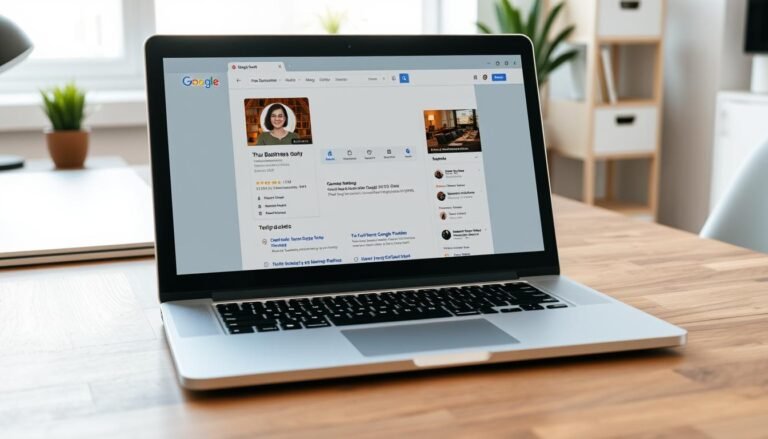
I audited my google business profile and corrected name, address, and phone mismatches across top citations. I also added categories, services, photos, and local posts.
- I consolidated thin pages and tightened on-page intent for each page.
- I applied structured data (LocalBusiness, FAQ) to help search engines parse offerings.
- Simple rank tracking and crawl logs confirmed fixes were picked up and predicted timing for improvements.
| Issue | Action | Result |
|---|---|---|
| Indexing errors | Clean sitemaps, fix robots | Faster crawl |
| Duplicate content | Consolidate + canonicalize | Clearer relevance |
| Speed bottlenecks | Compress images, optimize scripts | Better UX and rankings |
My local seo case study Strategy: From Keyword Research to Map Pack Wins
My approach began with pairing service names and city queries to capture ready-to-buy traffic fast. I focused on clear page intent, measured moves, and tactics that scale across metros and micro-markets in India.
Local keyword research
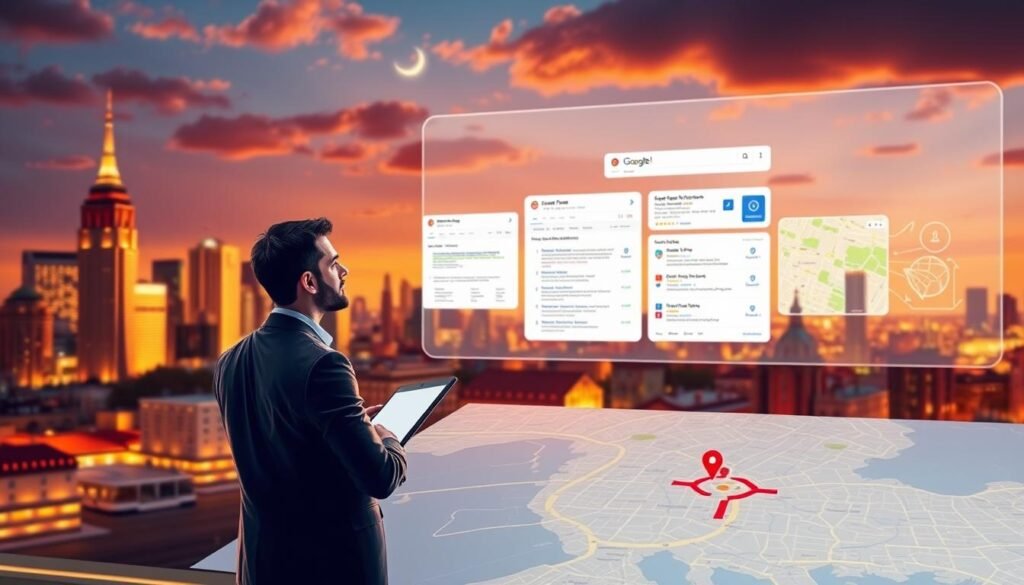
I built a list of keywords that combined service terms and city names, following patterns like “sofas simi valley” but adapted for my markets. That research highlighted quick-win queries and larger opportunity clusters.
On-page optimization & Map Pack focus
I rewrote titles, H1s, and short web copy to use city modifiers naturally and avoid cannibalization. I prioritized the Map Pack because it can capture about 44% of clicks; I also aligned Google Business Profile categories and posts to each page theme.
Content architecture & authority building
I grouped pages into topic clusters with pillar pages, city pages, and FAQs. Internal links signaled hierarchy and made indexing efficient. Then I ran targeted link insertions and outreach to boost trust for priority pages.
| Tactic | Focus | Expected Result |
|---|---|---|
| Service+City keywords | Relevance | Higher local search visibility |
| City‑modified pages | On‑page intent | Better rankings & clicks |
| Topic clusters | Content depth | Improved site authority |
| Link outreach | Authority | Faster trust for key pages |
Execution in 45 Days: What I Implemented Week by Week
The rollout followed a strict week-by-week plan so progress was measurable and fast.
I split work between technical fixes, google business updates, page launches, and a focused link push. Each move had a clear metric to watch: rankings, impressions, calls, or traffic.

Week-by-week rollout
- Week 1: Technical fixes — indexing, duplicate consolidation, and speed improvements to stabilize the website and speed up crawl credit.
- Week 2: I overhauled the google business profile, added categories, services, photos, and synced NAP across citations to build trust.
- Weeks 2–3: Launched city-modified service pages and refreshed existing pages for stronger intent and unique value per city.
- Week 3: Internal topic clusters linked child pages to service pillars and FAQs to boost relevance for both map and organic entries.
- Weeks 3–6: Link insertions and outreach focused on shippable product pages and high-converting services to lift authority fast.
Backlink push and measurement
I targeted links to pages that convert. In a competitive furniture example, these efforts helped the client grow from 8 monthly visitors to 1,500 and move from 8 top-10 keywords to 363.
| Week | Primary Action | Expected Result |
|---|---|---|
| 1 | Technical fixes | Faster crawl, fewer errors |
| 2 | Google Business & NAP sync | Higher trust, more map actions |
| 3 | City pages & clusters | Improved page intent & visits |
| 4 | Link outreach | Authority boost for service pages |
| 5–6 | Supporting content & intensified outreach | Broader keyword gains and steady traffic |
Results: From Zero to Top 3 and Sustained Organic Growth
What followed the rollout was a clear surge in rankings, clicks, and real customer actions for targeted service areas.
I hit top 3 placements for core service + city keywords in the Map Pack within 45 days. Those Map Pack wins lined up with strong organic ranking lifts for the same queries.

Map Pack and organic lift
Across cities I saw a direct correlation between higher Map Pack position and better organic rankings. Higher visibility in one channel helped the other.
Traffic and keyword gains
In a furniture example I moved from 8 monthly visitors to 1,500+. Top-10 keyword coverage jumped from 8 to 363 and roughly 1,600 pages began ranking.
Business impact
- Calls and direction requests rose quickly as impressions climbed.
- Qualified inquiries through the website increased, converting more customers for my client.
- These results mirror broader data: about 46% of searches are local and 76% of nearby searches lead to a visit within a day, explaining fast offline impact.
| Metric | Before | After (45 days) |
|---|---|---|
| Monthly visitors | 8 | 1,500+ |
| Top‑10 keywords | 8 | 363 |
| Pages ranking | Minimal | ~1,600 |
| Map Pack position | Not visible | Top 3 |
The momentum kept building after day 45 as authority and internal linking strengthened. Overall, the results show how combined profile and on‑page work can increase visibility and drive measurable business outcomes in search results.
Conclusion
Targeted fixes and intent-driven pages unlocked rapid gains in search presence for my business in India.
I proved that a clean audit, city-focused keywords, and an optimized Google Business profile plus selective links can lift map and organic rankings in 45 days.
The outcome was more than higher positions on the website: it drove real traffic, more calls, and ready customers who converted.
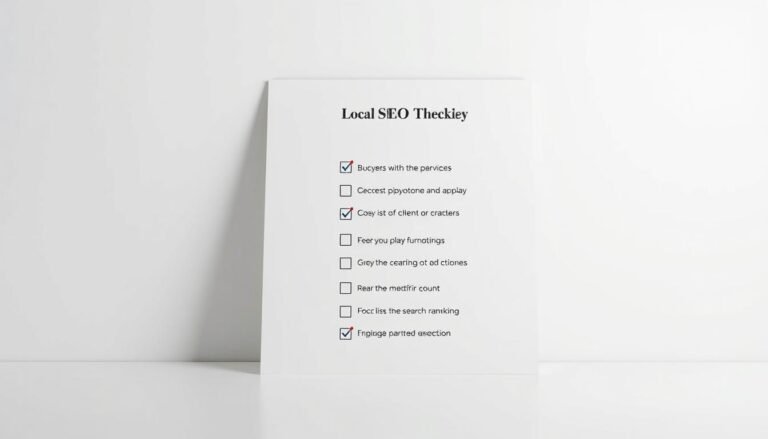
For your next steps, audit technical issues, map high‑intent keywords, localize page content, sync profiles and citations, then build authority for priority pages.
Repeat with data: track keyword movement, engagement, and conversions to prioritize efforts that deliver the fastest business results.