How to Rank in Google Local Map Pack
I want a clear answer: the Google local pack can change how people find and contact my business on the go. This high‑visibility block shows three top listings with name, address, phone, hours, website, photos, pricing and reviews. It often appears above blue links on mobile and drives clicks and calls.
I focus on the three signals that matter: proximity, relevance and prominence in the search engine ecosystem. My plan is simple: complete my google business listing, keep my name, address and phone identical everywhere, and upload strong photos and short videos to boost engagement.
My next steps also include syncing my website to categories, embedding a map, and optimizing for quick answers and one‑tap actions. This guide gives me a page‑by‑page plan to appear in the pack and turn visibility into measurable business outcomes in India.
Understanding the Google Map Pack in 2025
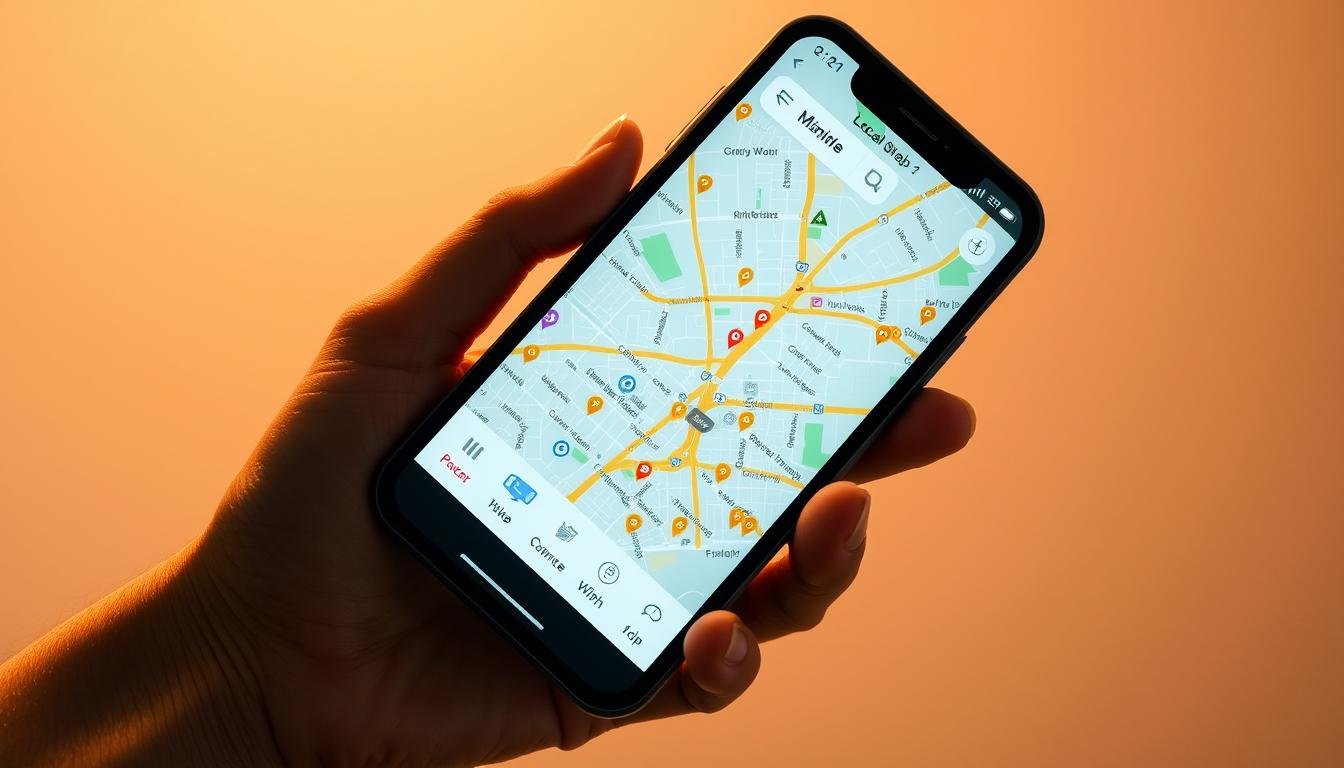
In 2025, the three-result block aims to deliver instant business info to users on the go. It’s a fast-answer experience that places a compact map and three listings above organic search results. Users see hours, address, ratings, call and directions buttons without opening a website.
I note how this view differs from blue-link results: it highlights business-critical fields and immediate actions. Google detects intent through geo-modifiers, “near me” queries, and implicit searches when a user is nearby. Ranking factors still center on proximity, relevance and prominence, but completeness and accuracy of my google business profile lift my odds.
- I will keep my business profile consistent with my website and external listings.
- I will monitor rankings across locations because results vary by user proximity.
- I will use calls and directions emphasis to drive quick conversions and walk-ins.
| View | What it shows | Primary signal | How I act |
|---|---|---|---|
| Three-result display | Name, hours, ratings, call, directions | Proximity & completeness | Keep listing updated and accurate |
| Organic links | Pages, snippets, site links | Content relevance & backlinks | Optimize pages and schema |
| Maps view | Pin clusters and navigation | User location & distance | Verify address and service area |
What the local map pack Shows and How Google Detects Local Intent
I’ll break down the visible fields so I can prioritize updates that drive calls and visits. The block links the business name to a full profile and surfaces ratings, price cues, address, open/closed hours, a short description, service options, photos, website link, phone and directions.

What appears in the listing
Name, review stars, address and current hours sit at the top. Call and directions buttons let users act without visiting my website.
- Photos, price range and service options shape click decisions.
- Short snippets and attributes help users decide fast.
- I make sure the website link points to a relevant landing page for that intent.
How Google flags local intent
Google flags intent from explicit phrases like “near me,” geo‑modifiers such as “in Mumbai,” and implicit queries where the user’s location is known. Most users tap to call or navigate, so address and hours accuracy matter for real-time visits and reviews.
| Feature | Why it matters | My action |
|---|---|---|
| Name & ratings | Trust and CTR | Keep name consistent; solicit reviews |
| Phone & directions | Immediate conversions | Verify number; ensure correct address |
| Photos & description | Sets expectations | Use quality images and concise keywords |
Why the Google Local Pack Matters for Local SEO and Organic Search Results
The prominent three-listing display turns casual searches into immediate customer actions for my business. It sits above many blue links on mobile and gives users quick call, website, and directions buttons that drive instant engagement.
CTR, calls, and footfall: the business case for ranking
Being in the top spot boosts my click-through rate and phone calls. Data shows the top result gets the highest CTR and nearly half of searches have local intent.
About 50% of mobile searches lead to a visit within 24 hours, and 78% convert to near-term offline sales. Positive reviews influence 94% of customers, so steady review generation and replies matter.
Mobile-first visibility and on-the-go users in India
In India, users expect instant answers. The compact block surfaces hours and “open now” status, which captures demand at the moment.
- Appearing here increases visibility and immediate actions versus organic search results.
- My website and google business listing must match intent to boost conversions.
- I will run ongoing optimization cycles to protect rankings as features change.
| Metric | Why it matters | My action | Impact |
|---|---|---|---|
| Presence in top three | Higher CTR and calls | Optimize listing and photos | More website visits and calls |
| Reviews & hours | Trust and real-time visits | Solicit reviews; keep hours accurate | Higher conversion from searches |
| Listing + landing page fit | Improves rankings and conversions | Align website content with listing | Better user experience and sales |
Core Ranking Factors: Proximity, Relevance, and Prominence
Three signals decide whether my business ranks in the top three results: how near I am to the searcher, how well my profile matches the query, and how prominent my presence is across the web.
Proximity — precise NAP and address accuracy
I keep my name, address, and phone identical everywhere to stop Google from misplacing my business. A precise address prevents distance miscalculations that hurt my visibility.
I audit citations regularly so directories show the same NAP and address I use on my website and google business profile.
Relevance — categories, services, and content fit
I pick exact primary and secondary categories that match my services. Categories ranked highly in studies, so I align them with landing page text and service entries in my listing.
I use natural keywords in descriptions and service fields to improve match to user search intent and boost relevance signals for local seo.
Prominence — reviews, citations, backlinks
I earn fresh reviews, respond promptly, and build quality citations and local backlinks. These actions strengthen my web presence and help the algorithm trust my business.
My website supports prominence with authoritative content and mentions from reputable sites. I track rankings and traffic after each change.
| Signal | What I control | Primary action | Outcome |
|---|---|---|---|
| Proximity | NAP, address precision | Audit citations; verify address | Accurate distance and higher visibility |
| Relevance | Categories, services, keywords | Align listing and landing pages | Better query matches and clicks |
| Prominence | Reviews, backlinks, citations | Collect reviews; build links | Stronger trust and improved rankings |
Google Business Profile Setup: How I Claim, Create, and Verify My Listing
I start by securing my business listing on Google so I control the main profile details users see. Claiming or creating my google business profile begins at the “Manage Now” console, where I verify ownership and add complete contact details.
I enter the business name exactly as it appears on my website and citations. I fill address, hours, phone, website, and a concise description that uses natural keywords for better relevance and search results.
Claiming or creating my GBP
I sign in, search for my business, then claim or create the listing. Verification (postcard, phone, or email) must be completed to publish changes and access insights.
Choosing the right categories
I pick a single precise primary category and up to several secondary categories that match services users search for. Categories guide ranking signals and should align with my landing pages.
Service Area Businesses
If I serve areas without a storefront, I define service coverage rather than a public address. I still keep phone, hours, and NAP consistent across listings to avoid confusion and distance errors.
- I upload high-quality photos and a logo to signal legitimacy.
- I document the listing on a master page to maintain NAP-W consistency.
- I verify quickly and start review outreach to build early trust.
| Setup Action | Why it matters | Immediate step |
|---|---|---|
| Claim / Verify | Activates listing and insights | Use Manage Now; complete verification |
| Categories | Improves relevance in search | Select precise primary and aligned secondaries |
| Address / Service Area | Controls distance and visibility | Enter exact address or set coverage zones |
Optimizing My Google Business Profile for the Google Local Pack
I prioritize profile elements that set accurate expectations and reduce friction for customers.
I add attributes like wheelchair accessible, women-owned, and amenities that match my services. These filters help users find my business quickly and improve relevance in google business profile results.
I upload high-quality photos and short videos (about 30 seconds) that show my space, staff, and top offerings. Short clips often surface in the google local pack and raise click-throughs.
- I keep a live Q&A and answer common customer questions with natural keywords without stuffing.
- I list products and services with clear names and short descriptions to match search queries.
- I verify hours, including holidays, to avoid missed visits and negative reviews.
| Feature | Why it helps | My action |
|---|---|---|
| Attributes | Filters and user trust | Add accessibility, ownership, amenities |
| Media | Engagement and visibility | Upload photos and 30s videos |
| NAP-W | Consistent distance and listings | Sync name, address, phone across website and directories |
I monitor rankings and visibility after each update. I also encourage customers to leave reviews and reply to feedback to show active care. Finally, I align on-profile messaging with landing pages so clicks convert into customers.
Website Foundations That Support Map Pack Rankings
I focus the website on clear contact points, fast pages, and category-aligned landing pages. These elements help my business show accurate information in search results and improve conversion from organic search.
Embedding and page alignment
I embed a Google map on my contact page and double-check that the NAP on the site matches my google business profile exactly. I align each landing page to a GBP category so users find a consistent message from search to page.
Schema, content and linking
I add LocalBusiness schema with name, address, phone, opening hours and geo coordinates to structure my information for crawlers. I create short neighborhood pages and use internal links to surface service and location pages for better crawl paths.
Core Web Vitals and performance
I target LCP under 2.5s, INP under 200ms, and CLS under 0.1. To hit these goals I upgrade hosting, compress images, and enable caching. Fast, stable pages boost rankings and visibility in the pack.
| Site Action | Why it matters | Immediate step |
|---|---|---|
| Embed map | Matches address and aids directions | Add map to contact page; verify NAP |
| Schema | Clarifies business info to search engines | Implement LocalBusiness JSON‑LD on key pages |
| Performance | Improves user experience and ranking factors | Compress images, enable cache, check Core Web Vitals |
Reviews, Citations, and Social Signals that Boost My Visibility
Customer feedback and consistent directory listings are the quiet engines behind higher visibility. I treat reviews as a core trust signal and build a repeatable process to collect them after each sale.
I create a review request flow and respond to every comment quickly and professionally. I track review recency, volume, and sentiment because fresh, positive reviews drive clicks and improve my ranking in the local pack.

Systematic review generation and thoughtful responses
I ask customers for reviews at the point of service and follow up by email or SMS. I reply to praise and handle criticism with a calm, solution‑first response policy.
Building accurate citations on key directories and data aggregators
I list my business on Yelp, Yellow Pages, TripAdvisor, Angi and submit to aggregators like Foursquare and Localeze. Citations account for measurable ranking factors, so I ensure my name, address and number match my website and google business profile exactly.
Linking social profiles to GBP and maintaining active engagement
I link social profiles to my gbp and post updates so Google knows my business is active. I use UTM tags on profile links to measure traffic and prioritize local news backlinks to strengthen prominence.
| Action | Why it matters | Immediate step |
|---|---|---|
| Review system | Trust, CTR, conversions | Automate post‑purchase requests |
| Citations | Consistency, address accuracy | Submit to major directories and aggregators |
| Social links | Signals activity to search | Link profiles to GBP and post weekly |
Hyperlocal Keyword Strategy and On-Profile Messaging
I map hyperlocal search terms to real streets, landmarks, and PIN codes so my profile speaks the same language as people nearby. This helps me catch high-intent traffic from shoppers and service seekers across metros like Mumbai and Bengaluru.
I use GBP insights and competitor queries to build clusters of neighborhood phrases, landmark names, and ZIP-level keywords. Then I fold those phrases into my business title, short description, services, and posts without stuffing.
I add question-style entries in Q&A to capture voice searches and long-tail queries. I also create simple landing pages for priority locations and align each page to the matching category on my profile.
- I monitor micro-area rankings to see where citations or content need strengthening.
- I tweak messaging seasonally — for example, monsoon plumbing or festival-hour updates.
- I A/B test CTAs on posts to find phrases that drive more calls and clicks.
| Keyword Source | Use Case | Immediate Action |
|---|---|---|
| GBP Insights | Top queries users used for my profile | Add high-volume phrases to services and posts |
| Competitor Research | Neighborhood and landmark phrasing | Adapt titles and descriptions with natural variants |
| Search Data & Voice Queries | Long-tail and question-based searches | Create Q&A entries and landing pages for ZIP areas |
Measuring Performance: Tracking Rankings, Clicks, and Calls
I monitor how users move from a search result to my phone, website, or door. Clear metrics tell me which updates help my business grow.
What I track across channels
I track visibility in the local map pack, the google local pack, Local Finder, Google Maps and organic search results. This shows where I win and where I lose traffic.
- Calls, website clicks, and direction requests as direct conversion signals.
- Profile views and post interactions on my google business profile.
- Changes in rankings after photos, short videos, or attribute updates.
How I check rankings from real places
I simulate searches from multiple precise locations because proximity shifts results block by block. I use trusted tools and device emulators to compare rankings consistently over time.
I segment results by category, service, and page to see which listings convert best. I also watch address and hours accuracy so the algorithm and users receive the same information.
| Metric | Why it matters | Action |
|---|---|---|
| Calls & directions | Immediate revenue signals | Track daily; tie to campaigns |
| Profile & page clicks | User intent and site fit | Optimize landing pages; check Core Web Vitals |
| Rankings across locations | Proximity-driven visibility | Simulate locations; report weekly |
Conclusion
Finally, I offer a compact checklist to keep my business profile competitive and conversion-ready.
I start with a complete, accurate google business profile that matches my website and chosen categories. I commit to steady gains in reviews, visuals, citations and short videos to build prominence and trust.
I focus on hyperlocal SEO phrases that match how people search in my neighborhoods. I keep pages fast and stable to support mobile users who click or call, and I track rankings, clicks, calls and directions to tie visibility to revenue.
I update hours, attributes and services when operations change, keep NAP consistent everywhere, and treat this guide as a living playbook to rank Google where it matters most for my business.