GMB Optimization Case Study – Maps Ranking Boost
Can a month of small, daily edits to my Google Business profile really push local visibility and user actions noticeably higher?
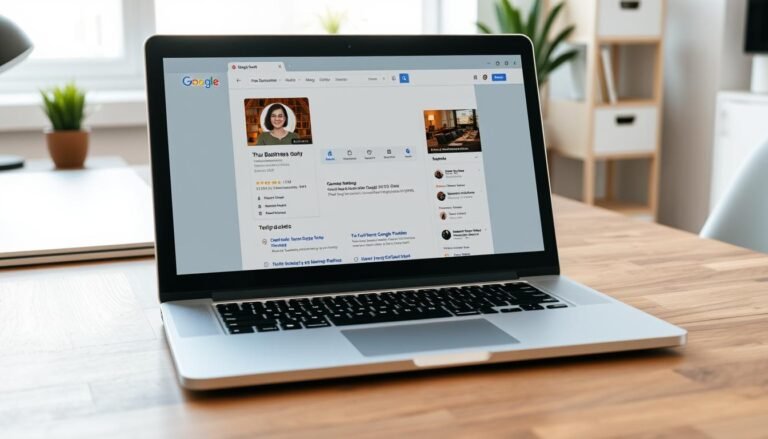
I ran a focused experiment after the 2023 rename to Google Business Profile. I worked my business listing every day for a month, moving total actions from 20 to 28 and measuring calls, messages, website visits, and directions.
I tracked Insights and Analytics to compare before-and-after numbers. My hypothesis was that disciplined, repeatable engagement within the profile would compound into measurable results without paid ads.
The experiment showed a clear lift in traffic and engagement. Shortname links are deprecated, but grandfathered versions still worked, so I adjusted tactics accordingly. This introduction sets the scene for a practical blueprint that professionals in India can replicate to boost discoverability and drive intent-based actions.
Why I Ran This gmb case study and What I Wanted to Prove
I wanted to test whether steady, small edits could steer my listing toward the right queries. Insights showed my profile was surfacing odd terms instead of target services like web designer and SEO company. Competition in my metro area made precision essential.
Search intent I targeted in India’s local search context
I focused on matching user language, colloquialisms, and hyperlocal modifiers used by customers in my area. My goal was visibility for qualified terms rather than vanity impressions.
From “set and forget” to daily engagement: my POV
I shifted from passive upkeep to a daily cadence of micro-optimizations. I audited the profile to find leakage where intent drifted away from my services.
- I tested fresh media, precise offerings, and corrected details to improve presence and engagement.
- I documented each touch so the process is repeatable for any business owner in dense Indian metros.
- My north star was actions that convert: calls, site visits, and direction requests over broad impressions.
From Google My Business to Google Business Profile: What Changed and Why It Matters
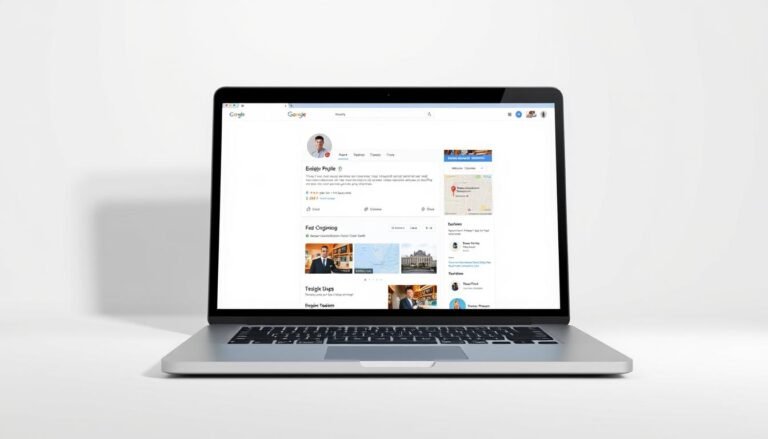
Google’s 2023 rename moved many features from a separate dashboard into Search and Maps results. This shift changed how users see a listing and how quickly they act on it.
Name change implications for visibility and features
The rebrand meant that a business profile is now surfaced more directly in search results. I noticed attributes and quick actions are easier to spot on mobile. That improved click clarity for potential customers in my metro.
2023 updates that affect posts, shortnames, and attributes
Shortnames were deprecated, but existing links still worked. I kept trackable URLs for campaigns and avoided relying on new shortname creation.
- I updated attributes like “Women-led” to boost trust signals and topical relevance.
- I used posts to publish offers and CTAs that nudged conversions.
- I monitored reviews and on-profile activity to see changes in visibility and actions.
| Feature | Before (Google My Business) | After (Google Business Profile) |
|---|---|---|
| Feature surfacing | Dashboard-centric edits | Shown directly in Search & Maps |
| Shortnames | Available to create | Creation sunset; old links work |
| Attributes & posts | Less prominent | Stronger trust signals and CTAs on profile |
I treated these changes as levers during my month-long test. Updating profile information and using posts and attributes helped me measure small but reliable lifts in local discovery.
Hypothesis, Goals, and Success Metrics for Maps Ranking Boost
I set out to prove that disciplined, repeatable tweaks to the listing would move real engagement metrics and improve local visibility. I hypothesized a 68% traffic increase from my daily touch plan and designed metrics to test that claim.

Primary goals
My top goals were visibility, qualified discovery, and more direct calls from potential customers.
KPIs I tracked
- Website visits, for research intent and content interest.
- Phone calls and messages as clear direct-contact signals.
- Directions and on-site actions to measure local intent.
| Metric | Baseline | After 30 days |
|---|---|---|
| Total actions (number) | 20 | 28 |
| Website visits | tracked | tracked |
| Calls / phone | tracked | tracked |
To ensure rigor I paired google search and Maps data with on-site analytics. I documented each change, adjusted for manual dialing undercounts, and focused on meaningful results over vanity metrics.
The Daily “Touch” Strategy: My 30-Day Google Business Profile Plan
Over thirty days I touched the profile every day to measure whether small updates add up in Maps and Search. I used short, repeatable actions so the work fit into my daily routine in a busy Indian metro.
Photos, posts, services, and attributes: the engagement mix
Day 1 I uploaded about ten photos—interior, exterior, team, and at-work shots—and added services plus a keyword-rich post.
Day 2 staff added more photos and a customer asked a question in Q&A. Day 3 I removed old-location photos. Day 14 I published another post. Day 29 I updated holiday hours and prepped a short video. I tried enabling the Women-led attribute where relevant.
Cadence and workflow: small actions, big local search results
- I used daily micro-optimizations: fresh photos, concise posts, service tweaks, and attribute tests to signal steady engagement.
- Photos were front-loaded to humanize the listing and improve matches for local searches.
- I kept updates brief so the plan was sustainable over time.
Tools and apps I used to streamline updates
I relied on the mobile app for quick uploads and edits to the gmb profile. The workflow made documenting touches easy and supported repeatable strategies for future clients.
Week-by-Week Actions that Moved the Needle
I mapped a week-by-week play to measure which profile touches nudged people to call or visit. The plan balanced content creation with data hygiene so the listing stayed relevant for local searches in my metro.
Week one: photo surge, service additions, keyword-rich post
I uploaded about ten photos, added services, and published a keyword-rich post to set clear relevance signals. Fresh visuals and a concise service list helped the profile match targeted queries.
Week two: user Q&A, staff participation, environment shots
The team pitched in with authentic images. I invited a customer to post a question and used environment shots to show context. Q&A surfaced helpful information and eased common doubts.
Week three: pruning old images, steady drip of new content
I removed outdated office photos tied to an old location and kept adding a few new pictures each day. The steady rhythm kept the profile from looking stale.
Week four: holiday hours, video prep, profile polish
In the final week I updated holiday hours, prepped a short video, and smoothed small details across the listing. I also noted that shortname links still worked despite deprecation.
- This cadence balanced content and cleanup to support discovery.
- Team participation diversified material and kept updates natural.
- I tracked if calls and other actions rose after high-activity periods.
| Week | Primary actions | Goal |
|---|---|---|
| Week 1 | ~10 photos, services, post | Relevance |
| Week 2 | Staff photos, Q&A | Trust & clarity |
| Week 3 | Prune images, steady uploads | Freshness |
| Week 4 | Hours, video, polish | Operational readiness |
My Results: Traffic, Calls, Messages, and Directions Uptick
After thirty days of steady edits I started seeing real action changes on the listing within a week.
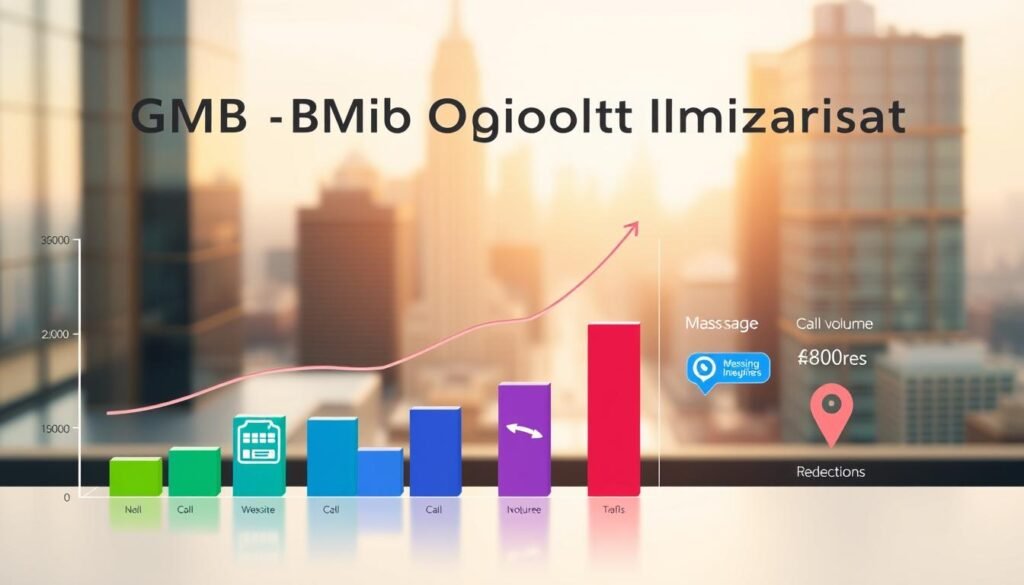
The total actions moved from 20 to 28 over the month. Calls averaged 3–4 on good days across channels, though some people dialed manually so platform counts understate true volume.
From 20 to 28 total actions and beyond: what changed
Two direct leads arrived via the message feature, validating that enabling messaging matters on a gmb profile. Traffic and visits lifted, supporting the idea that fresh activity nudges behavior.
- Actions climbed from 20 to 28, with early gains visible in week one.
- Calls remained the strongest intent signal, tracked cautiously because of manual dialing.
- Directions rose, often from existing customers or job applicants rather than purely new prospects.
Attribution nuance: interpreting Google Maps vs Google Search
To avoid misattribution I compared google maps and google search reporting alongside site analytics. That cross-check helped separate real new leads from internal traffic and hiring-related directions.
| Metric | Observation | Note |
|---|---|---|
| Total actions | 20 → 28 | Visible within 1 week |
| Calls | 3–4/day on good days | Manual calls can undercount |
| Messages | 2 direct leads | High-quality, intent-driven inquiries |
The net impact showed that an active profile drives better engagement and higher-quality inquiries, not just more clicks.
Fine-Tuning User Intent: Cleaning Up Odd Terms to Win “Web Designer” and “SEO Company”
Insights showed my profile was surfacing odd search terms that did not match my services. I pruned outdated images and removed captions that confused Google and users.
I then refined the services list and rewrote short posts so my website and profile used the same clear language. This aligned on-profile information with what I actually deliver as a web designer and SEO company.
I monitored discovery queries over time to watch the shift in search results. Small edits—renaming services, updating captions, and dropping jargon—reduced noisy impressions.
- I identified irrelevant queries in Insights and tightened topical relevance.
- I aimed to replace scattered impressions with clicks tied to business intent.
- Consistent wording across site and profile improved overall presence and visibility.
The cleanup turned random exposure into more predictable, high-intent discovery for users looking for a web designer or SEO company in my area.
Competition in My Service Area: Standing Out in a Crowded Market
When dozens of SEO companies and web designers cluster across my area, visibility becomes tactical, not accidental.
There were dozens—sometimes hundreds—of rivals inside a 25–50 mile radius. I had once dominated specific city terms after a move. Later my ranking drifted between positions five and twenty because competition was fierce.
That volatility pushed me to stop chasing pure rank. I focused on profile differentiation levers that I could control daily. Clear wording about each service helped attract the right clicks instead of every click.
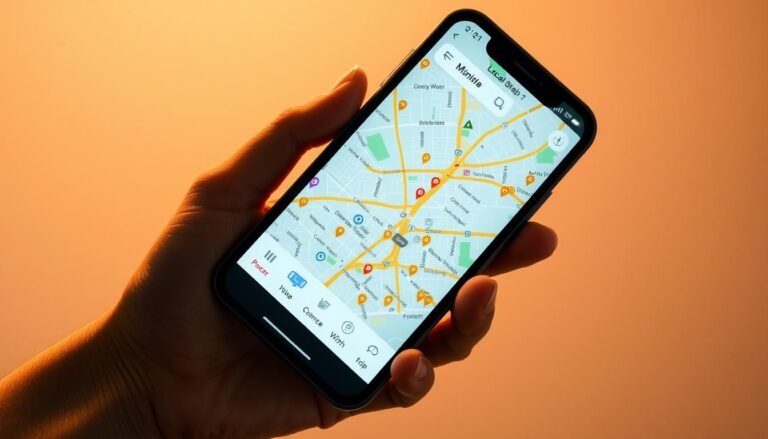
I watched google maps patterns to see when and where I showed up against top agencies. Those patterns told me which pages and photos to refresh, and when to tweak offerings for seasonal demand.
- I paired on-profile edits with broader digital marketing to avoid relying on one channel.
- I kept service feature details current so prospective customers saw exact capabilities.
- Daily, small updates preserved momentum in a moving market.
| Metric | Competitor landscape | My focus |
|---|---|---|
| Density | High (25–50 mi) | Differentiation |
| Rank range | 5–20 | Intent clarity |
| Control | Low (external) | Daily profile levers |
Translating My Wins to Client Success: 80% Lift in Customer Actions
I replicated the daily touch routine for a client to see if the same small edits would scale to another local business in India.
Over two months the client saw an 80% increase in customer actions. The win came from attention to simple, repeatable tasks rather than big, one-off changes.
Image cleanup, review cadence, and slow-drip media strategy
I removed blurry, low-quality photos and curated the best images. That image overhaul produced the earliest uplift in actions.
- I applied the same framework and documented an 80% lift, proving transferability.
- We used a slow-drip media schedule instead of dumping files all at once to keep engagement steady.
- A steady review cadence improved credibility and helped the listing appear more relevant.
- I kept a feedback loop and adjusted themes based on which content customers engaged with most.
| Action | Timing | Impact |
|---|---|---|
| Image overhaul | Week 1–2 | Early spike in clicks |
| Slow-drip uploads | Ongoing | Sustained engagement |
| Review cadence | Weekly requests | Higher trust and more actions |
The result reinforced that quality control plus consistency beats sporadic edits. For many local businesses, disciplined execution creates measurable success that scales.
Review Integrity and Recovery: The 530 Five-Star Reviews Restoration Case
When a restored profile came back blank of social proof, I had to move fast to rebuild trust.
After a moving company’s listing was reinstated, all 530 five-star reviews were missing. That lack of visible feedback risked immediate loss of trust from customers in a high-stakes service market.
What happens when reviews disappear after reinstatement
Without reviews, click-through and contact intent fell. Prospects judge moving companies quickly, and missing social proof can make them choose a competitor.
Working with Google Support to validate authenticity
I collected screenshots, timestamps, and customer records to prove authenticity. I coordinated with Support over several steps so each review could be traced back to the correct account.
- Foundational evidence: dated screenshots and booking logs.
- Repeated validation steps with the platform team.
- Final result: all 530 reviews restored and public again.
| Issue | Action | Outcome |
|---|---|---|
| Missing reviews | Evidence submission | Restored 530 |
| Trust gap | Public confirmation | Rebuilt credibility |
| Process | Protocol created | Faster future recovery |
The experience reinforced that backup documentation matters. I now have a clear protocol to protect customers and company reputation when platform errors occur.
Cross-Industry Proof: How Other Businesses Grew with GBP Optimizations
Local businesses across sectors translated focused profile work into measurable results. I tracked five examples where simple edits and steady follow-up moved real people through the door or to the booking page.
Bakery — weekly posts and complete profile
A bakery in Abu Dhabi completed its profile, posted weekly, and replied to every review. Map views tripled and walk-ins rose to 3x normal levels, boosting foot traffic significantly.
Fitness studio — keyworded descriptions and geotagged photos
The studio used keyworded descriptions, Q&A, and geotagged photos. Discovery rose 40%, website visits climbed 25%, and signups increased 18% from profile-driven interest and engagement.
Agency — NAP consistency and service area refinement
I helped an agency tighten NAP and refine service area coverage, then run a review campaign. They entered top-3 packs and saw CTR jump 52%.
Tour company & Ecommerce pickup
The tour operator added rich media, posts with booking CTAs, and trust attributes, producing a 33% rise in direct bookings and a 70% traffic increase. An ecommerce brand enabled pickup attributes and seeded keyword-rich reviews, nearly doubling discovery and increasing local pickups by 40%.
- These strategies show consistent execution turns profile signals into more customers and conversions.
- Tailoring optimizations to each business model drove the most relevant increase in actions.
| Business | Primary edits | Key metric | Outcome |
|---|---|---|---|
| Bakery | Weekly posts, reviews | Foot traffic | 3x walk-ins |
| Fitness | Keywording, geotags | Discovery | +40% discovery |
| Agency | NAP, service area | CTR | +52% CTR |
| Tour / Ecommerce | Media, attributes | Bookings / pickups | +33% bookings / +40% pickups |
I found a clear pattern: focused, repeatable strategies outperform one-off edits. For local digital marketing in India, these fundamentals are portable and effective.
The Playbook: My Replicable Approach for Google Maps Visibility
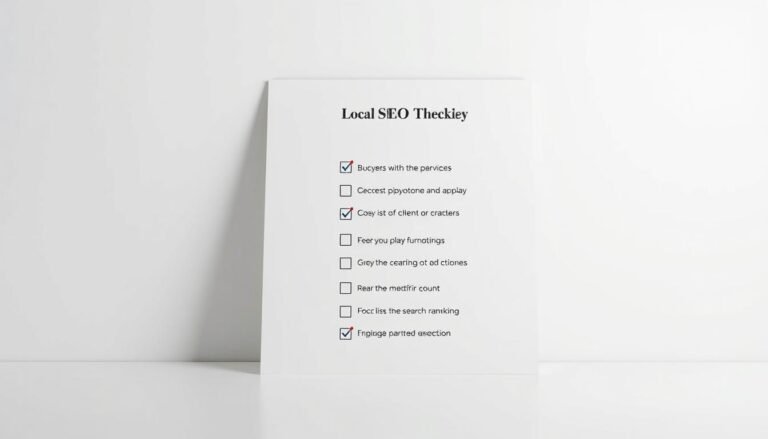
I boiled the work down to a simple checklist any small business in India can follow. The goal: make the profile unmistakably relevant for local search and ready to convert visitors into contacts.

Profile completeness, category accuracy, and service coverage
I complete every field in the business profile with accurate, current data. That includes hours, attributes, and a clear description that mirrors how customers search.
I set the primary and secondary categories to match real offerings. A wrong category dilutes search relevance and reduces click-through rates.
I list services with names customers use locally. This reduces noisy impressions and raises qualified discovery.
Media discipline: quality over quantity with local relevance
I prefer a steady stream of high-quality, location-relevant photos and short videos. Local context — storefront, staff, customer moments — helps signal authenticity to search engines and users.
Upload cadence matters: slow and steady keeps the profile fresh without overwhelming reviewers or the platform.
Review strategy: requests, responses, and keyword mentions
I run a sustainable review routine that prompts specific, contextual feedback and replies quickly. Responses add detail and can include natural keywords tied to the service.
Fast, helpful replies build trust and nudge search algorithms toward better visibility.
- I track local search moves to link optimizations to outcomes.
- I keep a living checklist for handoff and team training.
- The playbook balances discovery and conversion, not just rank.
| Core action | Purpose | Expected impact |
|---|---|---|
| Complete every field | Remove ambiguity for users and search | Higher relevance and CTR |
| Accurate categories & services | Align profile to search intent | Better qualified discovery |
| Quality local media & review routine | Trust signals and freshness | More calls, messages, and visits |
Measuring Impact Over Time: Insights, Analytics, and Reality Checks
To judge real-world impact, I paired profile signals with site analytics and timed cohorts. I wanted a clear link between edits and the actions that matter, not just impressions.
Discovery vs direct searches, CTR, and conversion signals
I split discovery and direct queries so I could tell brand pull from new reach. That separation showed whether people found me by name or by service intent.
I tracked CTR shifts and tied them to actual actions. A higher click-through without calls, messages, or visits was not enough to claim success.
- I monitored traffic and visits alongside calls, messages, and directions for a full picture.
- I reviewed the number of actions and the quality of inquiries over time, not just volume spikes.
- I noted attribution caveats like manual dialing and existing customers requesting directions.
- I used weekly cohorts to see when a change likely produced a specific result.
- Reality checks kept claims grounded so optimizations matched observed behavior.
| Metric | What I tracked | Why it mattered |
|---|---|---|
| Discovery vs Direct | Search source split | Shows new audience reach vs brand pull |
| CTR with actions | Clicks paired with calls/messages | Avoids overvaluing impressions |
| Visits & Directions | Site visits and map directions | Measures real-world interest and footfall |
Over time this measurement loop guided my next optimization cycles. The focus on cohorts and cross-checked data helped me report honest results and repeat the actions that created the clearest impact.
Common Pitfalls and How I Avoided Them
Simple maintenance prevented confusion and kept search signals focused on my services. Small lapses in detail often caused noisy impressions and lower-quality clicks.
Outdated images, inconsistent NAP, and neglected hours
I removed old-location images that confused users and diluted trust. That cleanup made the profile match real-world expectations and reduced mismatches in search results.
I kept my business name, address, and phone consistent across directories. Consistent NAP stopped mixed signals in local search and helped preserve ranking momentum.
I updated hours ahead of holidays so customers found correct opening times. Clear hours cut down on missed visits and frustrated callers.
- I verified the service list so every offering shown reflected what I actually deliver.
- I watched for duplicate or stray listings that split engagement and dilute presence.
- I maintained a simple maintenance routine to keep quality high over time.
These steps prevented avoidable drops in performance tied to neglect. The outcome was a cleaner, more reliable user experience and steadier contact rates.
| Issue | Action | Outcome |
|---|---|---|
| Outdated images | Removed and replaced | Improved trust and clarity |
| Inconsistent NAP | Synced directories | Fewer mixed signals in local search |
| Neglected hours | Proactive updates | Reduced missed visits |
Adapting the Strategy for India: Local Nuances, Language, and Service Areas
Local language, travel times, and neighborhood names shaped how I rewrote profile copy and handled inquiries. I adjusted messaging and quick replies to match multilingual intent and varied caller expectations across time zones.
I mapped the service area to actual delivery zones so directions and promises matched on-the-ground realities. That reduced frustrated customers and made coverage clear to callers.

Multilingual responses, regional attributes, and call handling
- I prepared short, reusable replies in regional languages to boost accessibility and customer engagement.
- I tuned attributes to reflect local expectations—accepted payment types, language support, and peak service windows.
- I scheduled call handling for known busy hours and time-zone overlaps to improve answered calls.
- I used landmarks, neighborhoods, and colloquial place names to help local search match real queries.
- I added these items into my google business profile checklist and aligned digital marketing copy to cultural nuance.
| Focus | Action | Result |
|---|---|---|
| Service area mapping | Defined delivery zones by city traffic | Fewer wrong-direction requests |
| Multilingual replies | Templates in Hindi, Tamil, and English | Higher customer engagement |
| Call handling | Peak-hour staffing and scripts | More answered calls and faster responses |
Conclusion
Running a disciplined month of edits revealed a practical path from profile activity to measurable customer actions.
My hands-on plan moved total actions from 20 to 28 and produced direct messages. When I applied the same routine to a client, actions rose 80% in two months after an image cleanup and a steady media cadence.
I also recovered 530 five-star reviews through documented support escalation, which restored trust quickly. Cross-industry examples showed big wins: 3x bakery foot traffic, +40% fitness discovery, top-3 agency placements, +33% bookings, and +40% pickups.
The takeaway is simple. Prioritize repeatable google business profile hygiene: clean data, quality photos, timely posts, and fast responses. Over time, this practical approach raises visibility, drives traffic, and converts more customers while boosting broader digital marketing results.